
E-TERRA Institute · Research Department
Research into Natural Anomalies and Unusual Phenomena
Observation, fieldwork, documentation and interdisciplinary analysis of phenomena that warrant further investigation.
About the Research Department
From an Initial Report to a Structured Investigation
The E-TERRA Research Department reviews reports of natural, location-related and household phenomena that observers consider unusual or insufficiently explained.
Our work may include gathering initial information, examining the circumstances, conducting field observations, recording photographs and video, and preparing research materials. We distinguish documented data from eyewitness accounts and possible interpretations.
Our guiding principle
Assumptions are not presented as established facts. During an initial review, we consider ordinary, natural, technical and psychological explanations for an observation.
Initial Information
Event description, date, time, location, people involved, observation conditions and available materials.
Documentation
Photographs, video, audio, field notes, participant observations and the context of the location.
Comparative Analysis
Considering alternative explanations, comparing sources and organizing the results.
Research Materials
Preparing case descriptions, internal reports, educational materials and archive records.
Areas of Research
Phenomena Reviewed by the Research Centre
Each report is considered individually. An area’s name does not predetermine the explanation of a phenomenon; it helps us organize the materials and choose an appropriate approach.
Geobiological and Spatial Concepts
Reports about places described as having unusual natural, physical or subjectively perceived properties.
Historical and Sacred Sites
Local history, oral traditions, architecture, earlier accounts and present-day observations connected with a specific place.
Unusual Atmospheric and Light Phenomena
Photographs, video, coordinates, observation times, weather conditions and possible technical or natural sources.
Unidentified Objects and Observations
Reports of objects or events whose nature could not be determined during an initial review of the materials provided.
Parapsychological Field Observations
Participants record subjective perceptions separately from photographs, video, measurements and other verifiable data.
Unusual Events in Living Spaces
Reports of unusual sounds, apparent movement of objects, visual observations and other events in homes.
Observation Comes First
We do not begin with a predetermined conclusion. We examine the circumstances, review available materials and consider several possible explanations.
Documented: what can be described, measured,
seen in records or corroborated by multiple sources.
Reported: eyewitness accounts and personal experiences.
Interpreted: possible explanations that remain
hypotheses until adequately supported.
Fieldwork
Research Expeditions and Student Participation
Field projects allow the team to observe and document a location directly, compare accounts and examine its wider context. An expedition is a structured examination of a place, its circumstances and available sources.
Student participation depends on the research topic, level of preparation, team composition and safety conditions. Students may help with observations, field notes, photography, video, source review and group discussion.
Preparing an Expedition
Reviewing existing information and defining the purpose, team, route, documentation methods and safety rules.
Work on Location
Examining the area, recording conditions, collecting independent notes and visual materials, and checking available reference points.
Documenting Materials
Organizing images, recordings and accounts; separating observations from assumptions; and preparing a research description.
Practical Learning in Real Conditions
Expeditions can help students apply what they have learned, but they do not replace the study program and are not mandatory for every student. Participants receive defined roles, keep independent records and follow the location’s safety and ethical requirements.
Expedition Safety
Research is never conducted at the cost of unjustified risk. The route, access to the location, weather and overall safety situation are assessed before fieldwork begins.
Photo Archive
Images from Field Expeditions
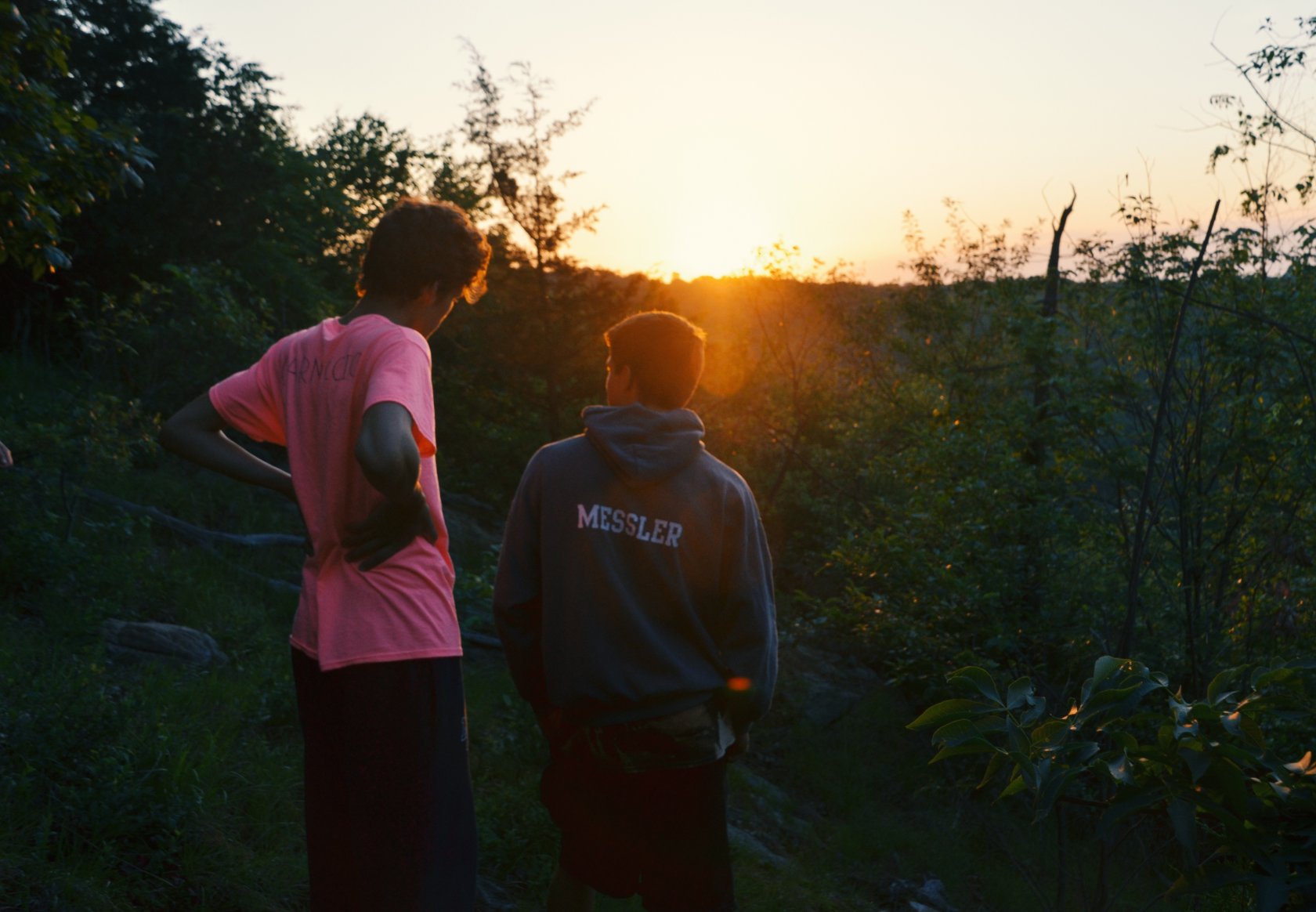
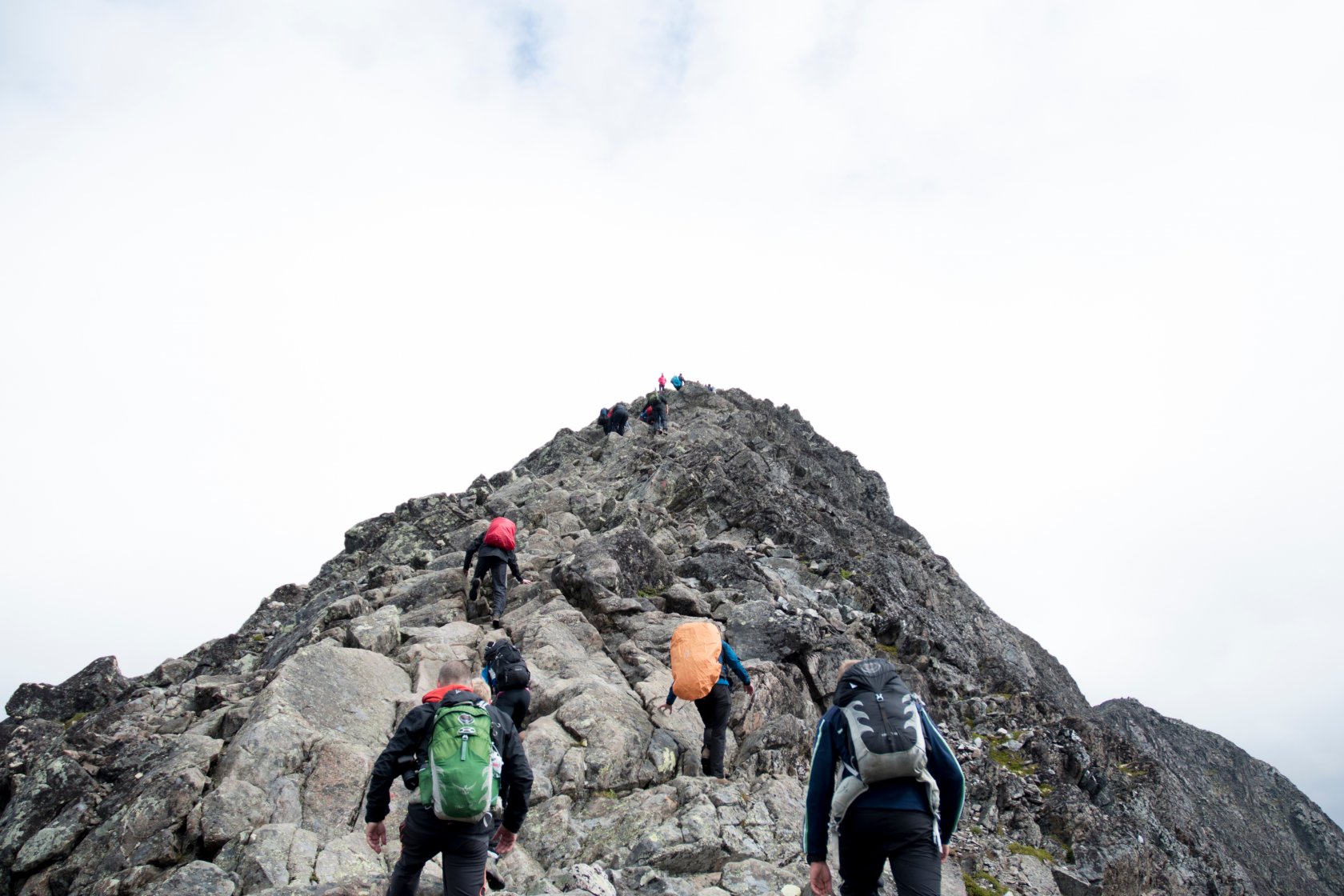
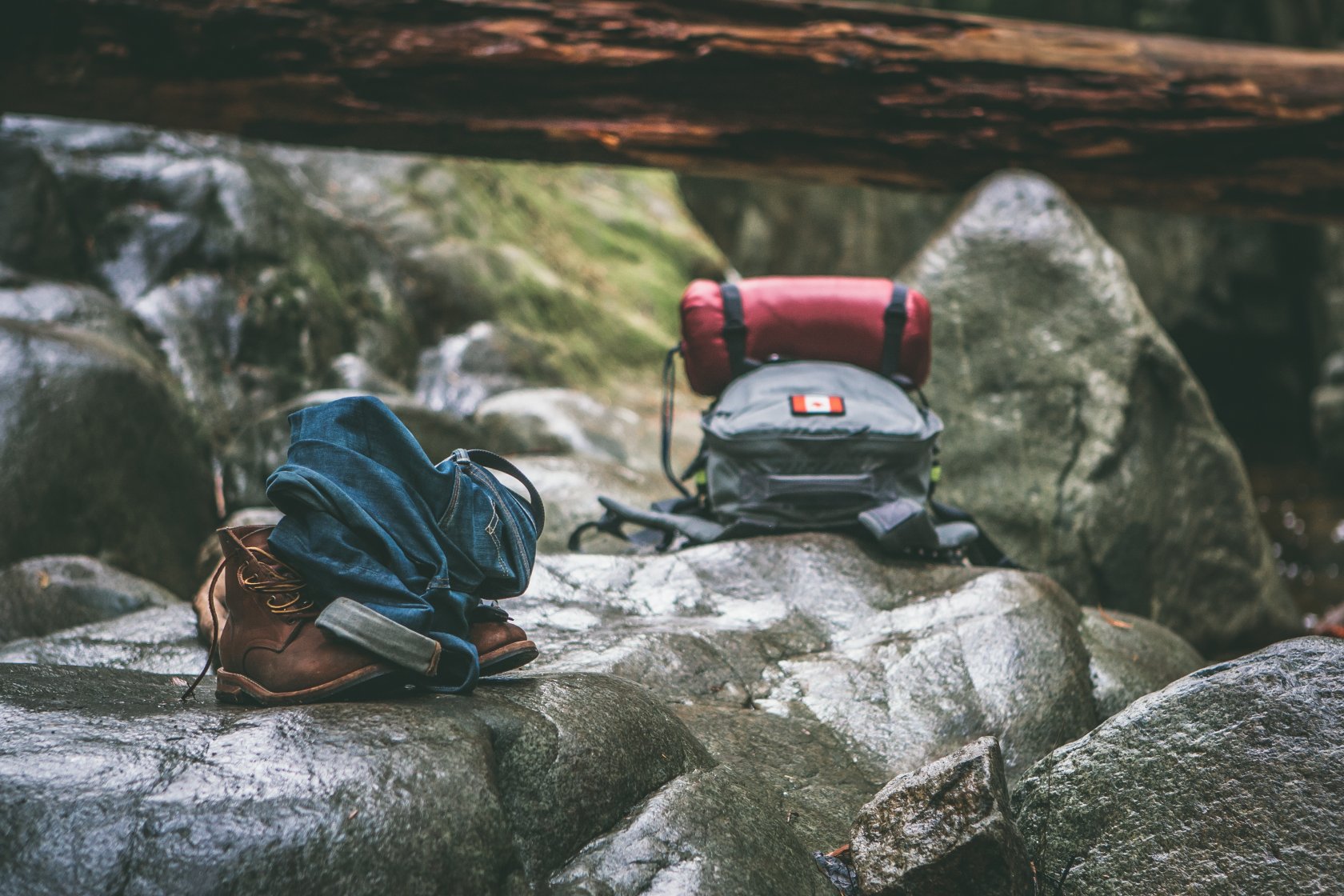
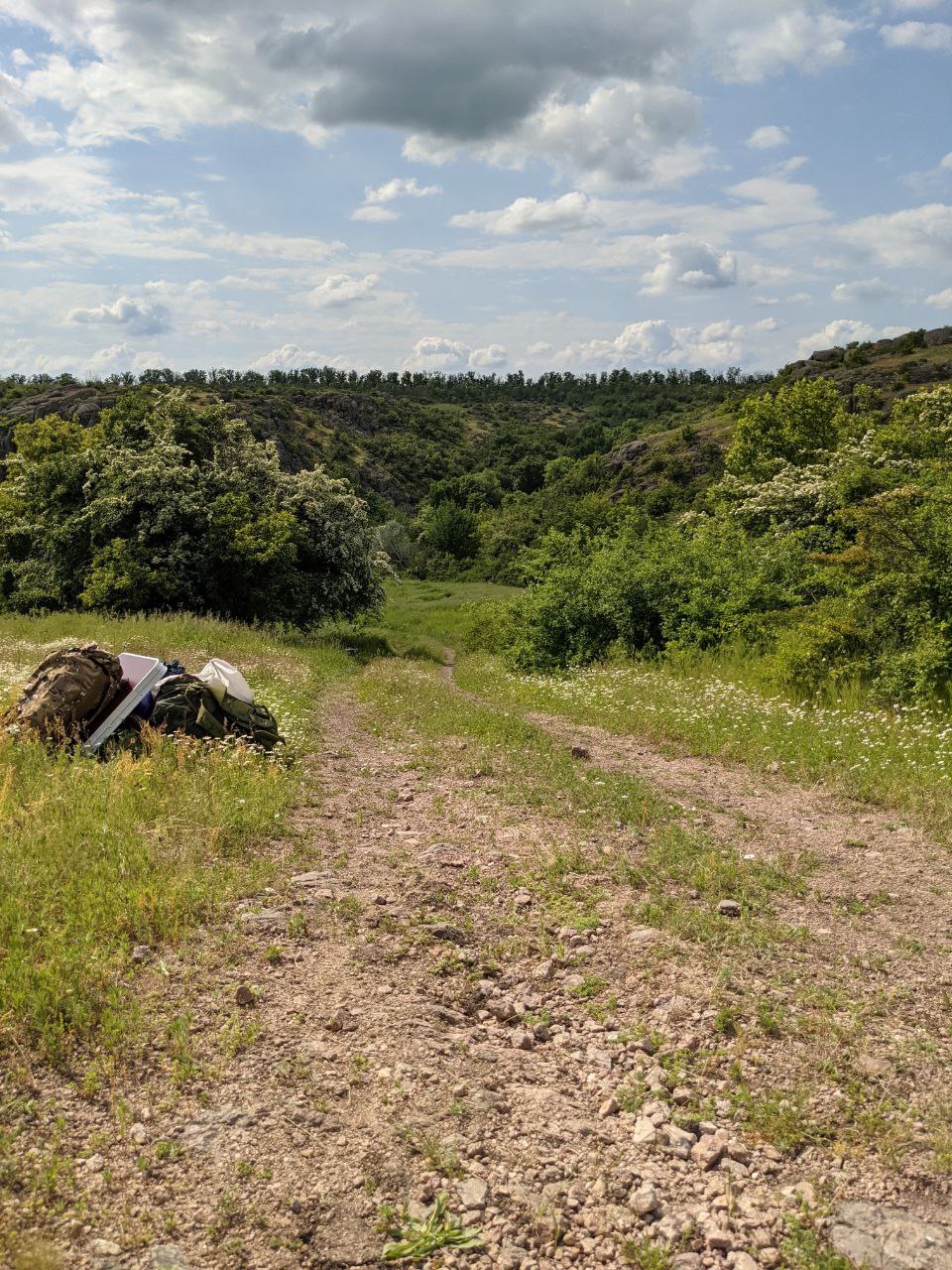
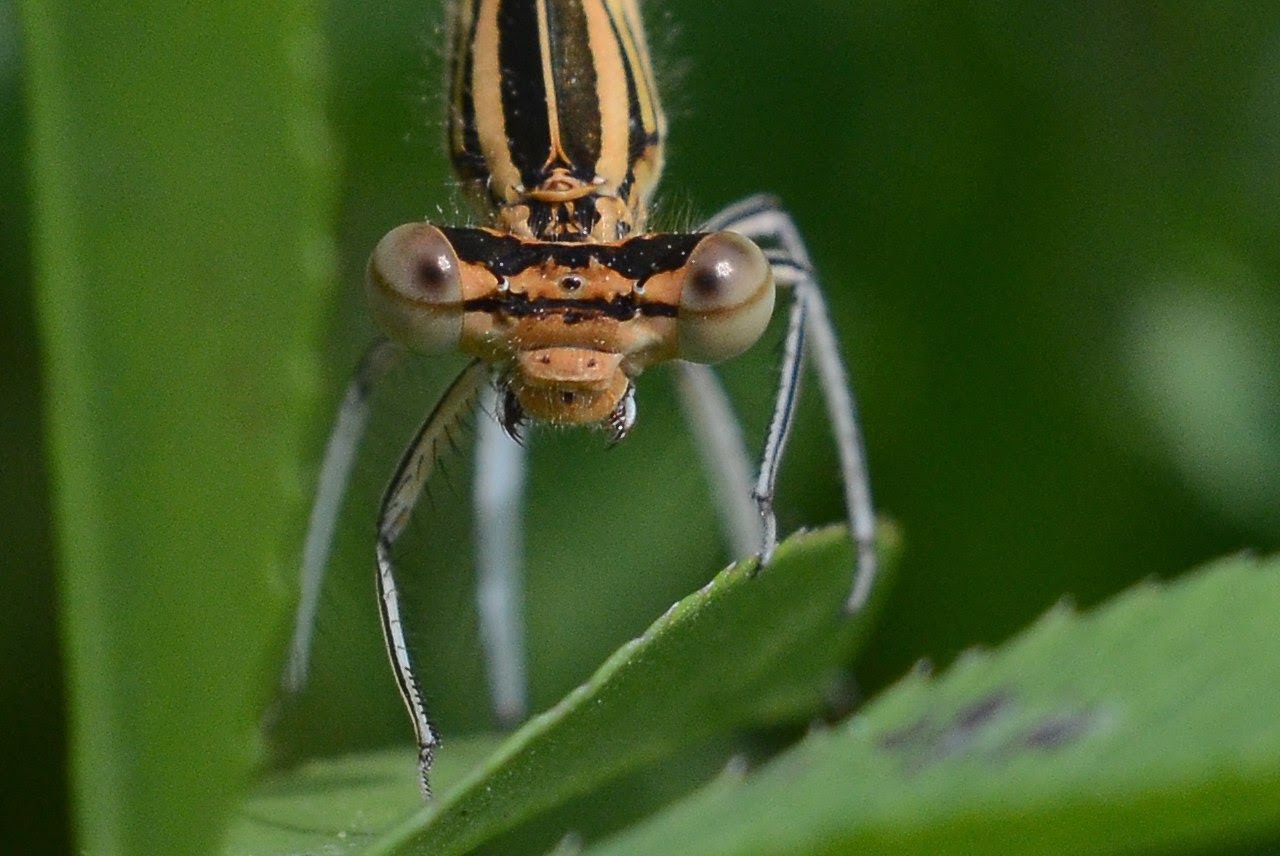
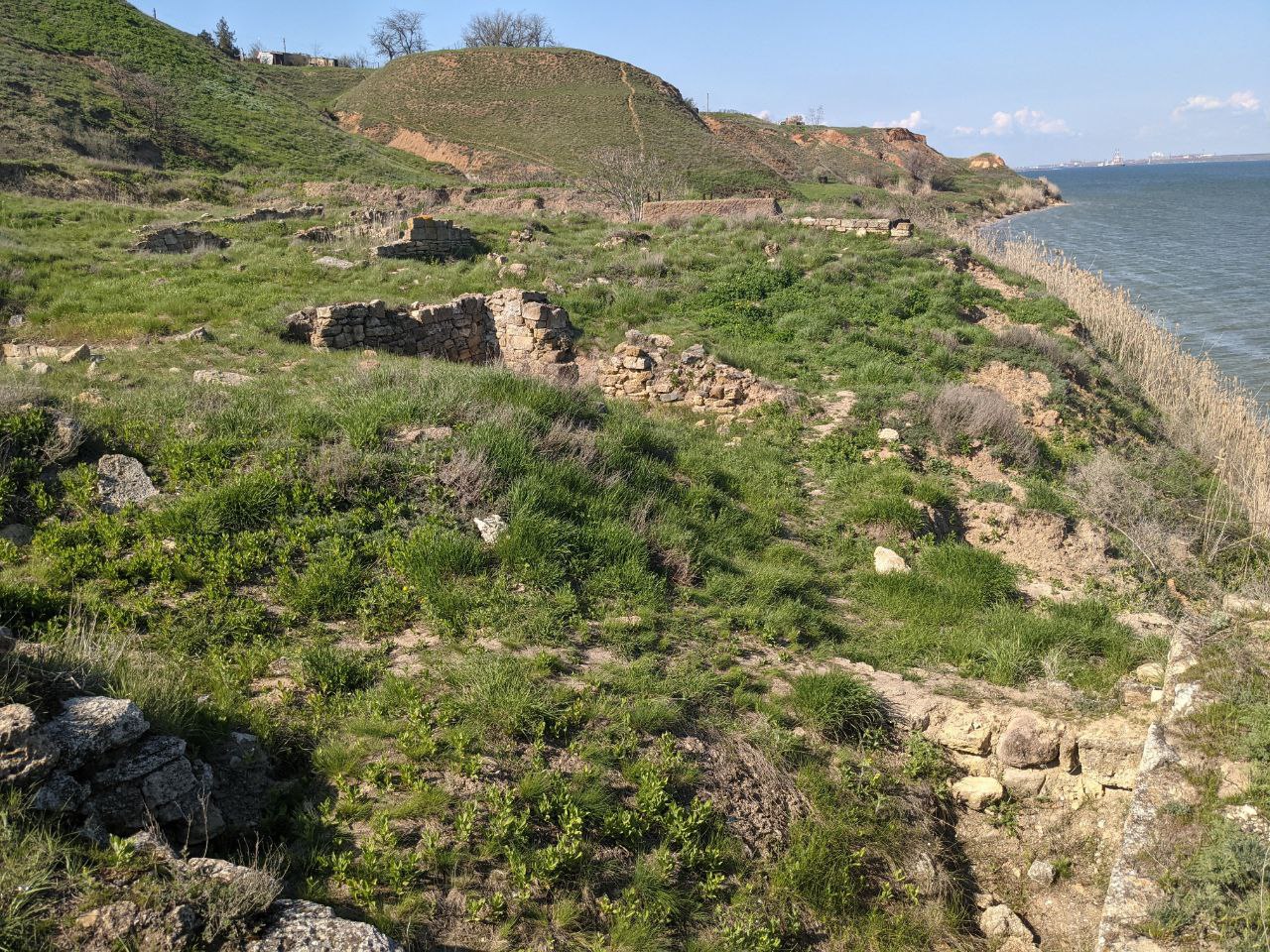
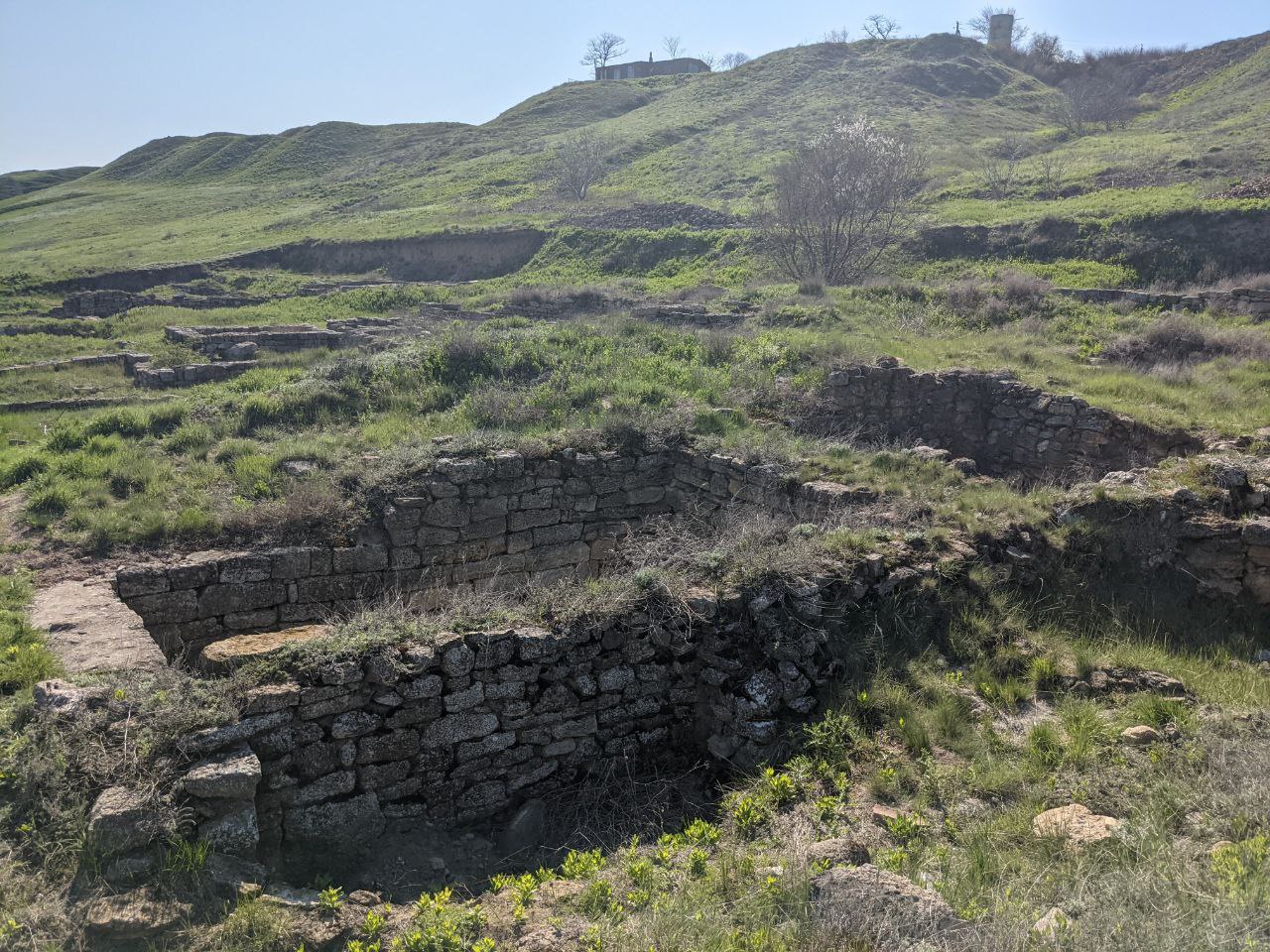
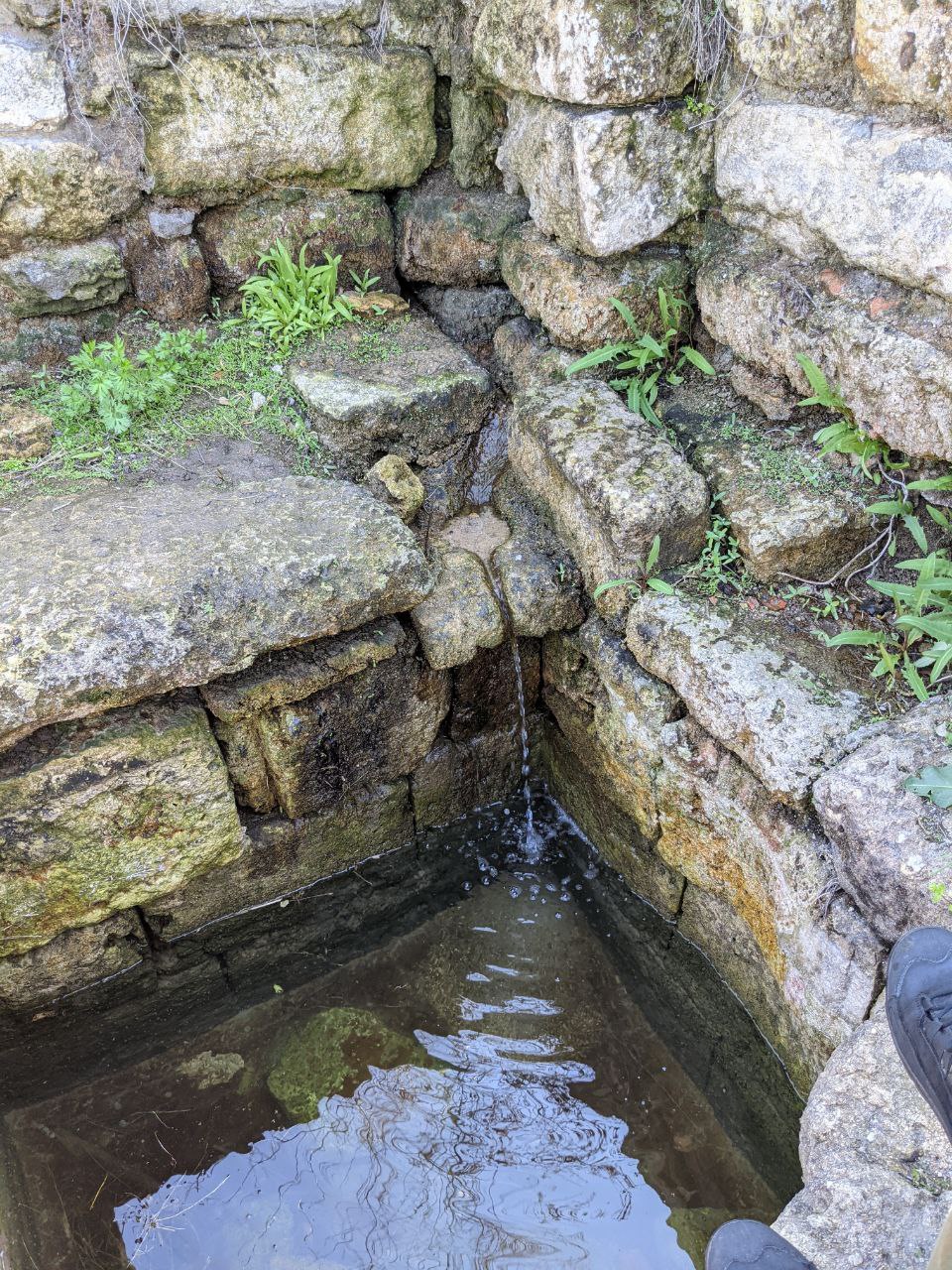
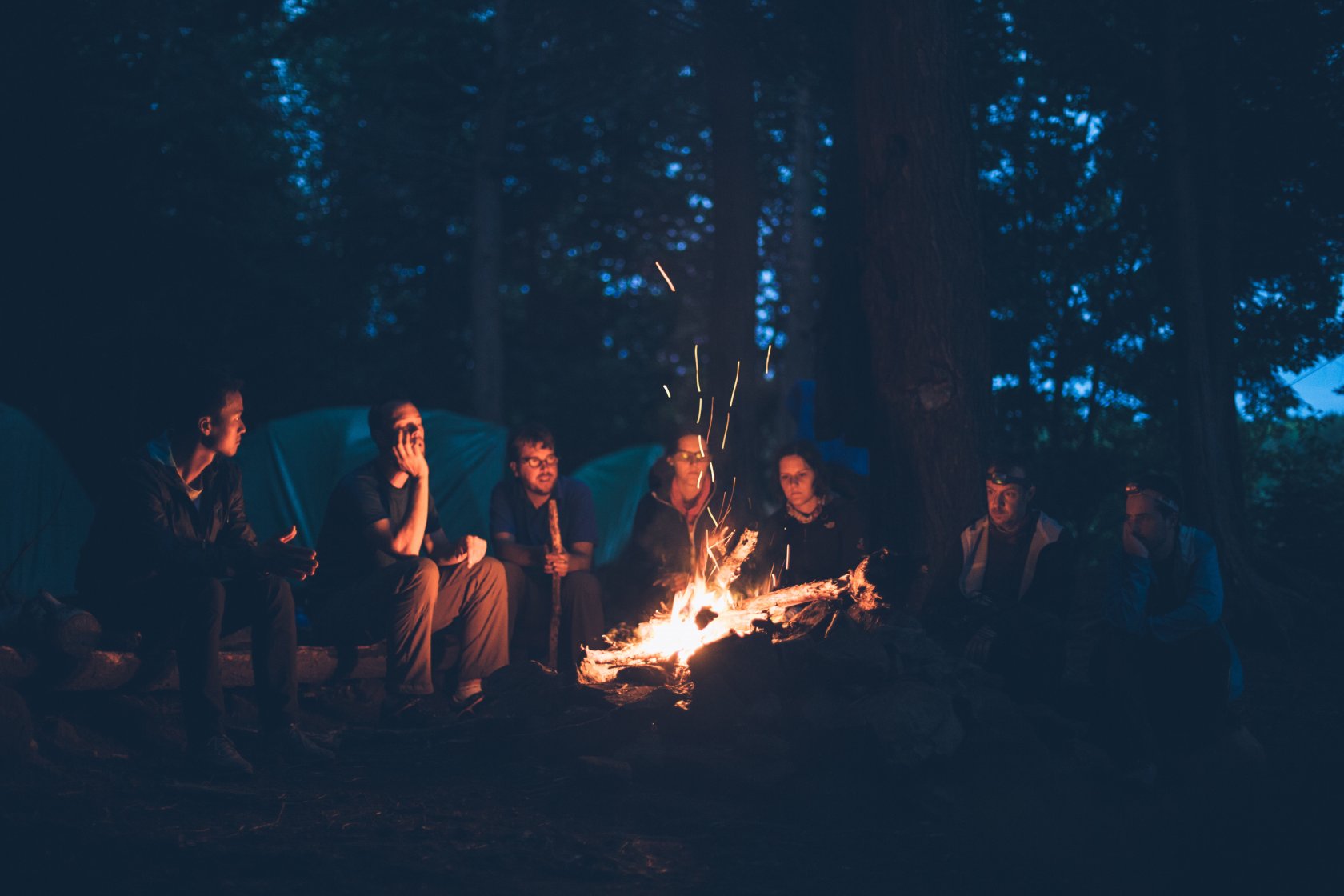
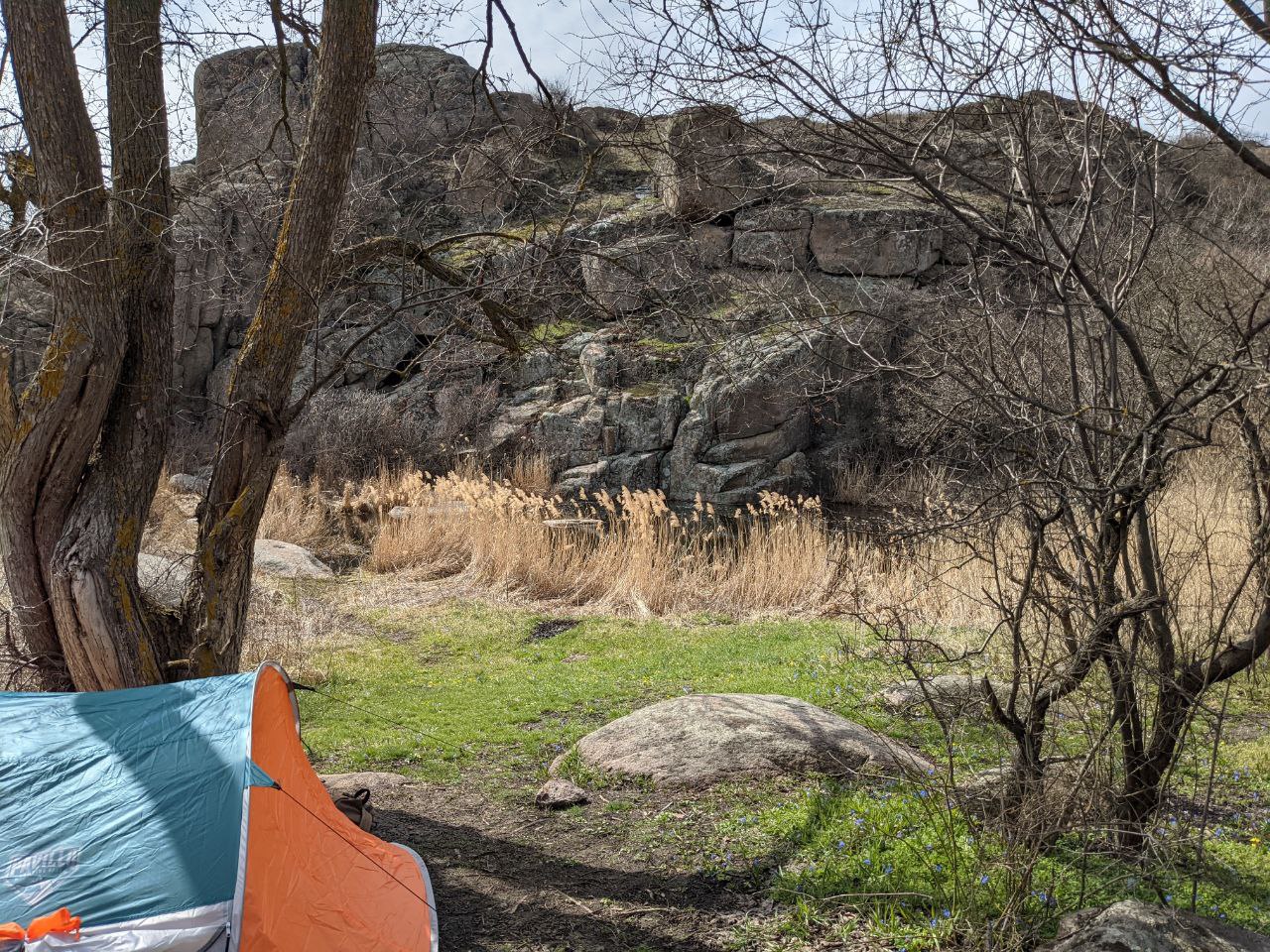
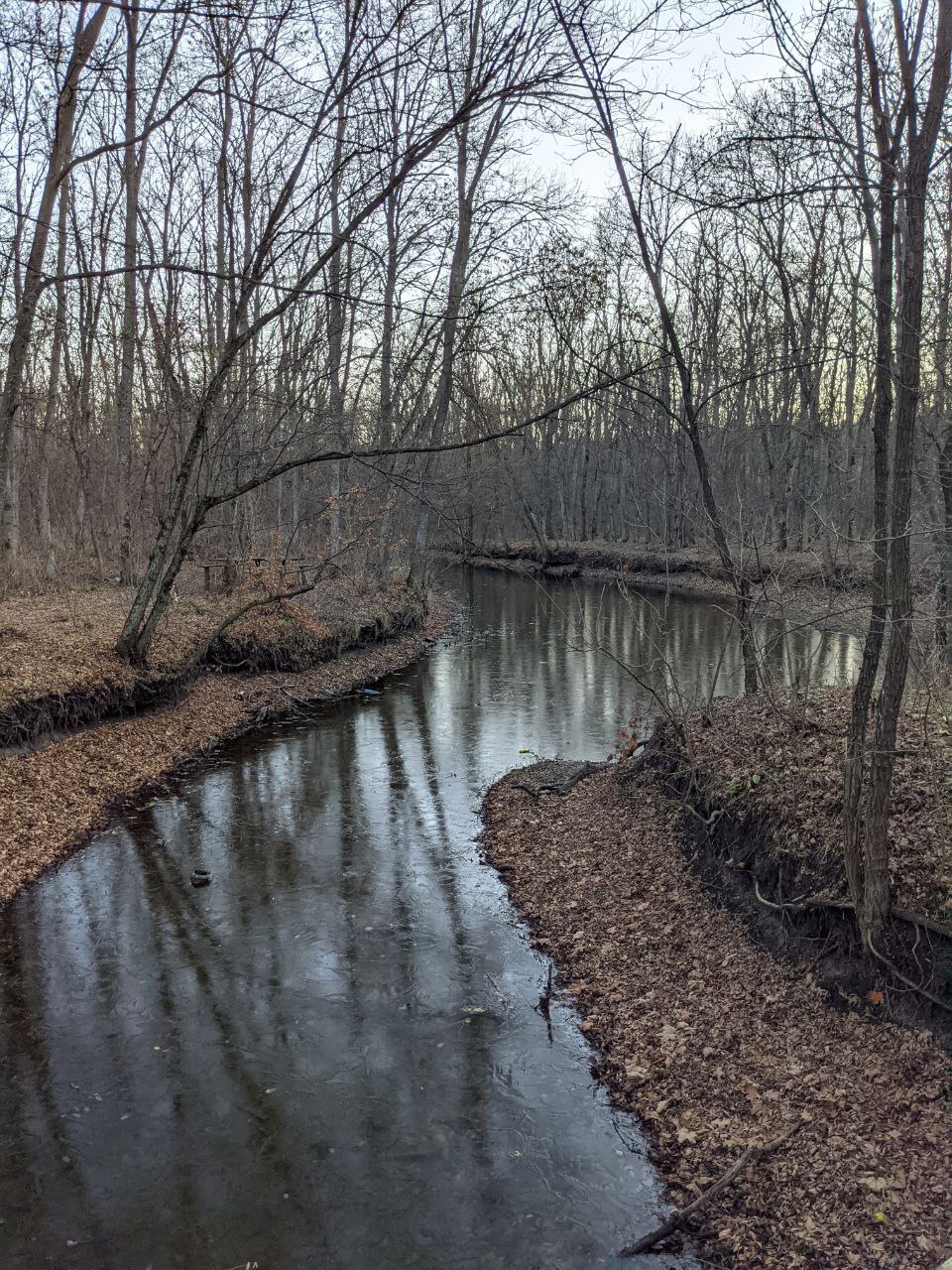
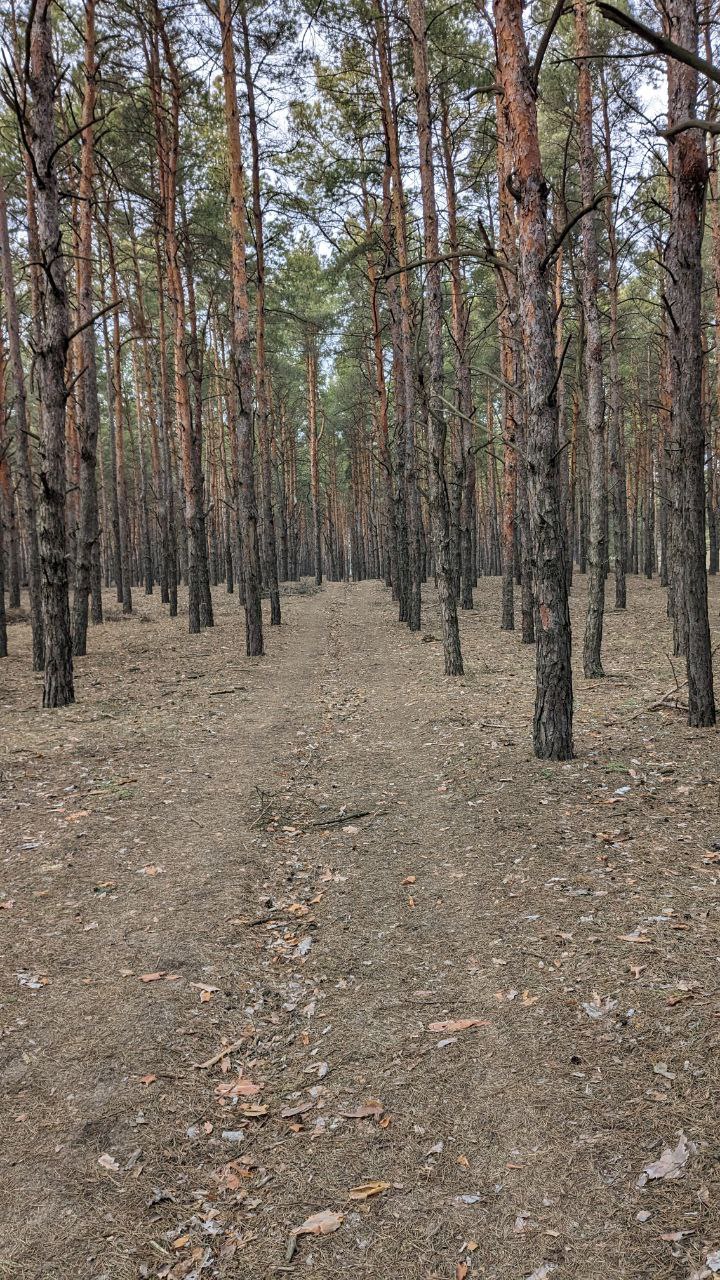
The 12 images below are archive materials from field research projects. Select an image to open it at a larger size.
Research Principles
Responsibility Before Sensationalism
Investigating unusual phenomena calls for care, accuracy and respect for people, places and research materials.
Separating Facts from Interpretations
Direct observations, eyewitness accounts and researchers’ assumptions are recorded as distinct kinds of information. A hypothesis remains a hypothesis until sufficiently supported.
Participant Safety
We do not conduct research under conditions that create unjustified risks for the team, people reporting an event or others.
Confidentiality
Personal information, addresses and private circumstances are not published without the person’s separate consent.
Respect for Locations
The team follows access rules, does not damage property and respects private ownership, local communities and cultural heritage.
Considering Alternatives
Natural, technical, everyday, psychological and other possible explanations are considered during the review.
Documenting the Process
Key stages, sources, observation conditions and conclusions should be recorded clearly.
Responsible Communication
We do not promise a predetermined outcome. A response depends on the materials provided and whether an initial analysis is possible.
Confidentiality of Reports
Sensitive information about a home, minors, health or personal conflicts is considered only to the extent needed for an initial review. Submitting a report does not make it public. Publication of photographs, video, names or addresses requires separate agreement. Personal details may be removed from research materials.
Before Submitting a Report
Information That Helps with an Initial Review
A clear account of the circumstances helps us identify relevant details and decide whether further work is possible.
Location
Town or city, approximate address, type of location or coordinates.
Date and Time
Exact or approximate time, duration and whether the event has recurred.
Sequence of Events
What happened first, what followed and how the event ended.
Witnesses
Who was present and whether their independent descriptions agree.
Observation Conditions
Lighting, weather, distance, visibility, background sounds and technical factors.
Available Materials
Original photographs, video, audio, a site sketch or earlier records.
After We Receive a Report
How a Report Is Reviewed
The report and its attachments enter the initial review process.
The team may request more details or original files if needed.
We consider the circumstances, materials and possible explanations.
We assess whether correspondence or a field investigation is warranted.
Report an Unusual Phenomenon
Describe the event in a way that is comfortable for you. Do not create dangerous conditions, attempt to reproduce an event or enter restricted areas to gather additional materials.
You can also write to institute@e-terra.com.ua.